Everest Basecamp Trek
Introduction:
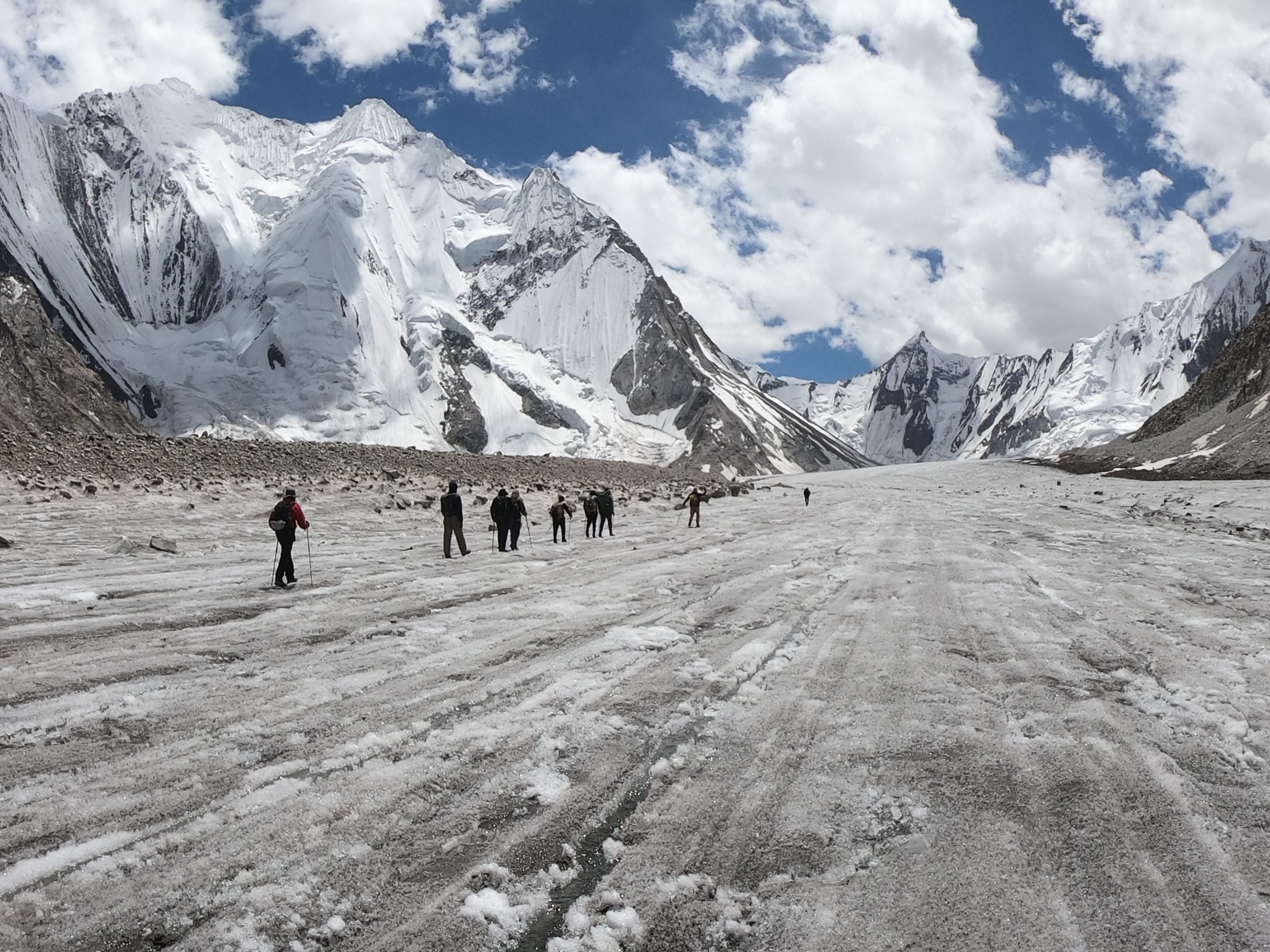
Situated in the heart of Nepal’s Khumbu region of the Himalayas, the Everest Base Camp (EBC) trek takes adventurers to the foothills of the world’s highest mountain, Mount Everest (8,848m). Over the course of nearly two weeks, trekkers gradually make their way to a maximum altitude of 5,364m at Everest Base Camp.
More than just a trek, this journey is a lifetime achievement, offering not only a physical and mental challenge but also a rare opportunity to witness the unique culture, traditions, and way of life of the Sherpa mountain communities who call these high valleys home.
Cost Included/Excluded
- Hotel accommodation in Kathmandu with breakfast for two nights (double sharing)
- Accommodation on trek tea-houses (double sharing)
- Airport pick/drop
- Three meals a day during the trek (Breakfast, Lunch, Dinner)
- Trekking Guide with Insurance
- Domestic flights (Kathmandu-Lukla-Kathmandu)
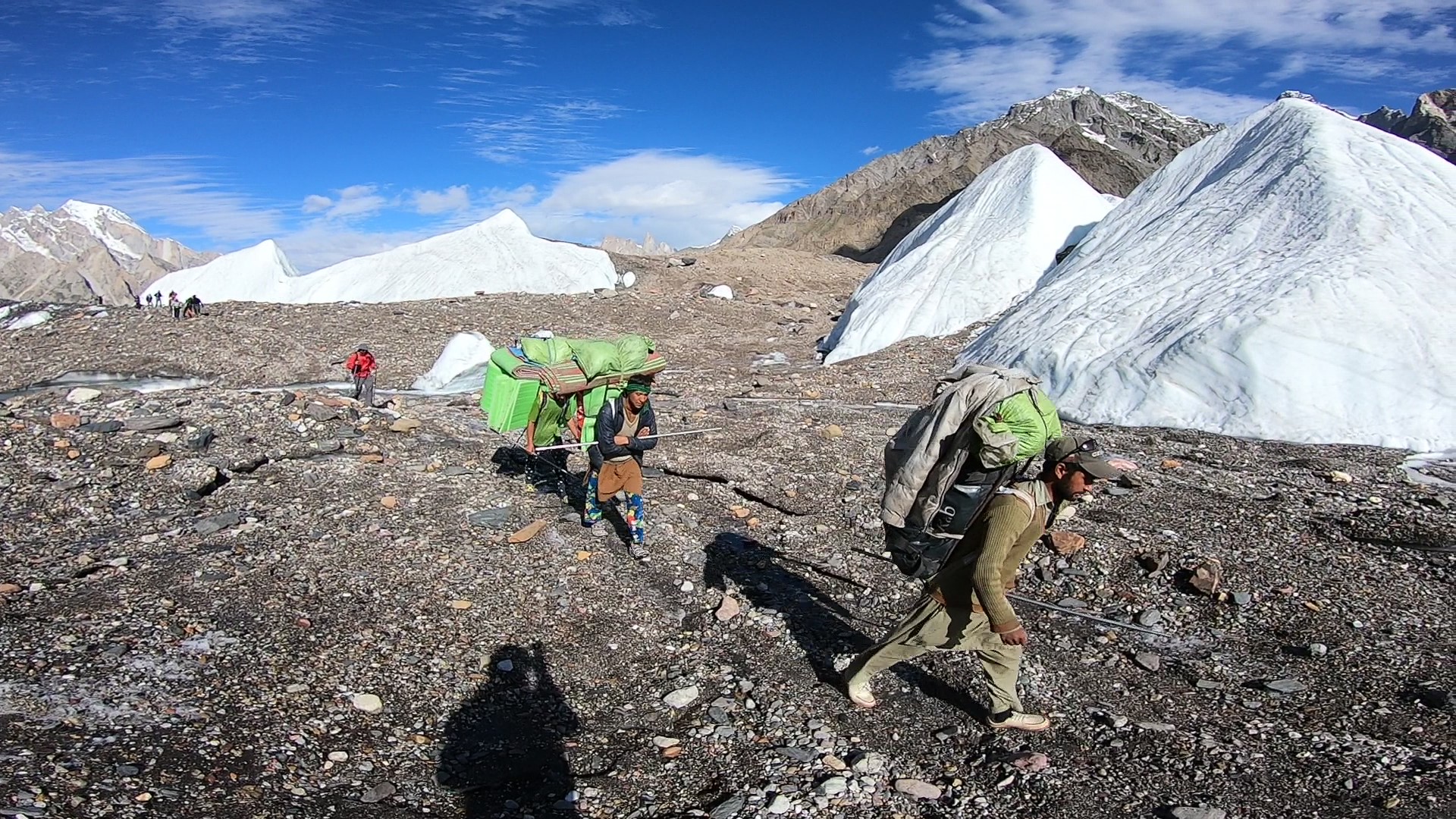
- Complimentary porter luggage of up to 15kg
- Trekking maps
- Water purification tablets for drinking water
- Trekking permits & documentation (Conservation fee).
- All needed Government fees
- Services of trek-leader
- International flights & visas
- Kathmandu meals & snacks (other than breakfast)
- Additional hotel nights in Kathmandu
- Beverages/snacks at tea-houses
- Extra charges for Internet/Warm Water/Charging at some tea-houses
- Insurance
- Helicopter rescue
- Tips for guide and staff
Itinerary
FAQs
The average group size for our Everest basecamp trek is between 10-15 persons.
You can register by contacting us on email or phone, filing the sign-up form and depositing 100k in our account.
Registration requires a USD 500 deposit.
A full refund is available if cancellation is made at least 6 weeks before the trek start date.
The remaining balance is payable in cash upon arrival in Kathmandu.
A USD 250 cancellation charge applies if cancellation is made between 2 and 6 weeks before the trek.
A USD 500 cancellation charge applies if cancellation is made within 2 weeks of the trek start date.
No refund will be issued for cancellations after joining the group in Nepal.
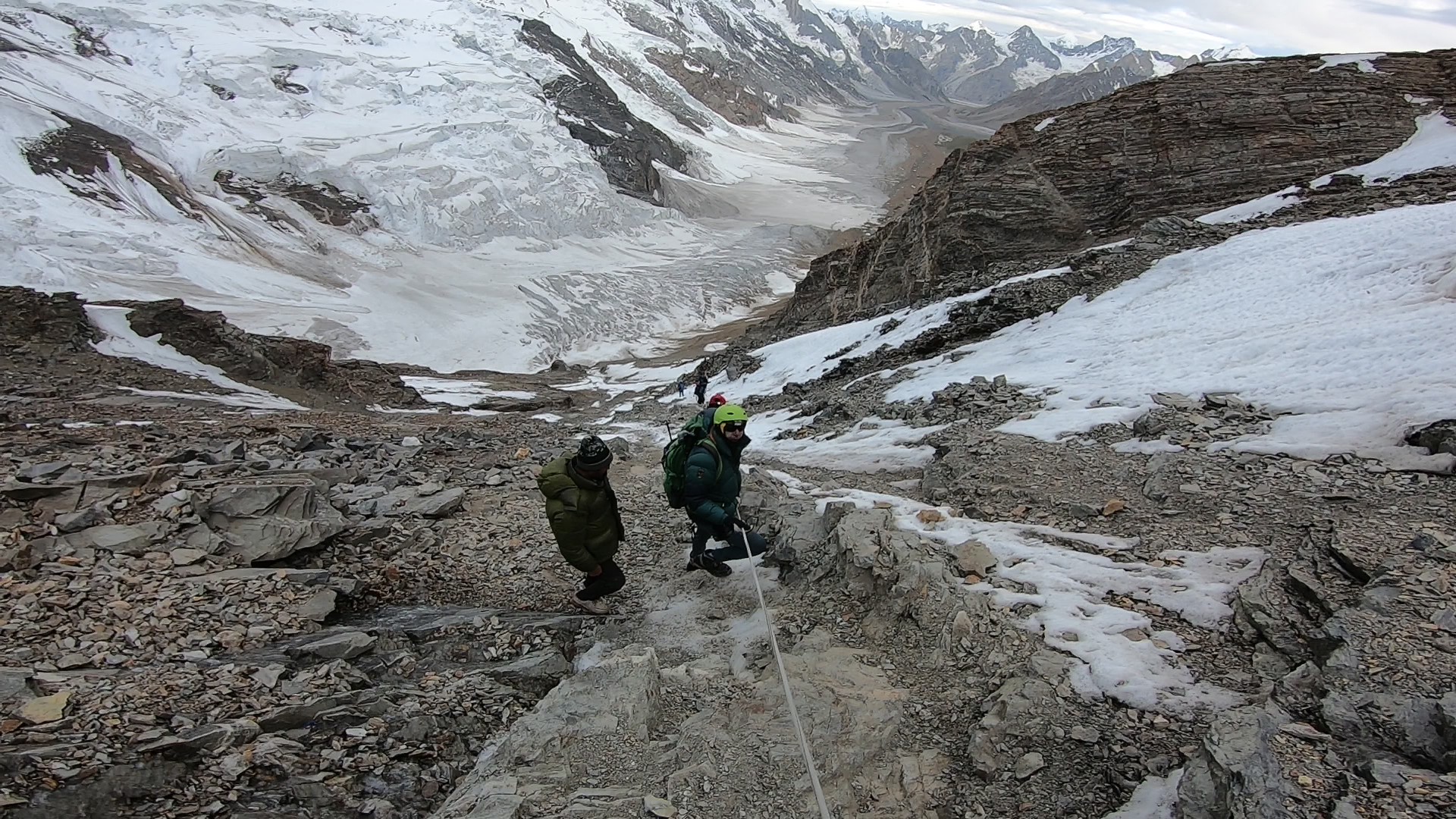
Trekkers should have a good level of physical fitness to enjoy the Everest Base Camp trek comfortably. The trek involves walking 4–7 hours a day on uneven, sometimes steep terrain, at altitudes ranging from 2,800m to 5,545m. Regular cardiovascular exercise, strength training, and practice hikes with a loaded backpack are highly recommended in the months leading up to the trek. While prior high-altitude experience is helpful, proper acclimatization and a steady pace allow fit beginners to complete the trek safely.
Your main duffel bag (up to 15kg) will be carried by a porter, while you only need to carry a daypack (30–40 liters) with essentials such as water, snacks, rain gear, and sun protection. Excess baggage may incur additional charges. Pack light but smart, your detailed gear checklist will be provided upon booking.
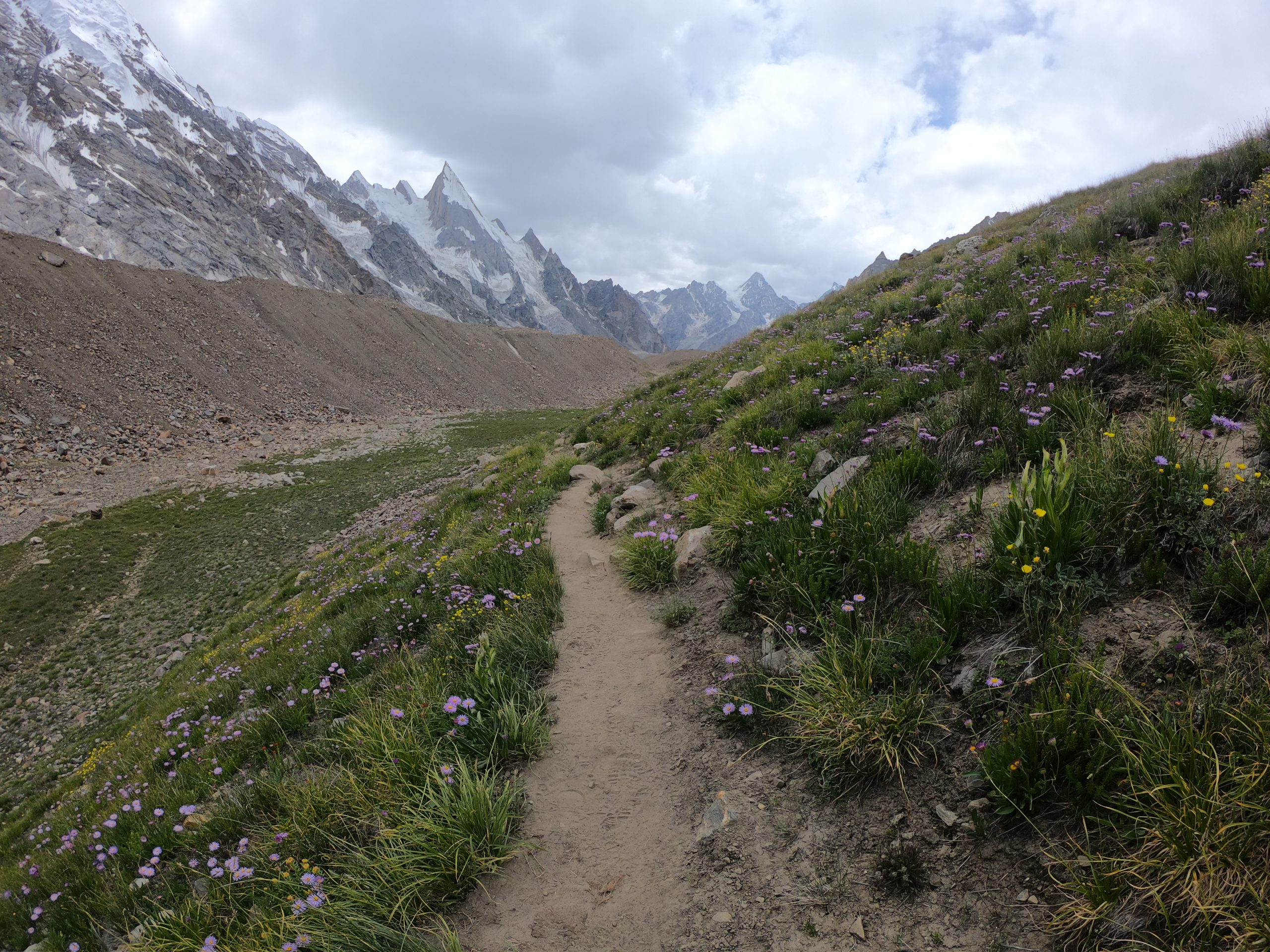
April is one of the best months to trek to Everest Base Camp, with generally clear skies and moderate temperatures. Daytime temperatures at lower elevations range from 12–18°C, while nights can be chilly, especially above 3,000 m. Snow is possible at higher altitudes, but trails are usually accessible and dry. April also brings the start of spring, so rhododendron forests along the route bloom in vibrant colors, adding spectacular scenery to your trek.
Trekkers are required to bring appropriate personal gear suitable for high-altitude trekking, including layered clothing for varying temperatures, a warm insulated jacket, trekking boots, and a comfortable daypack. Essentials such as a sleeping bag, trekking poles, sun protection, and personal toiletries are also recommended. A detailed gear checklist will be shared prior to departure to help you pack efficiently and be fully prepared for the trek.
During the trek, meals are provided at teahouses and typically include a mix of Nepali and Western dishes such as rice, noodles, dal bhat, soups, and pasta. Breakfast usually consists of porridge, eggs, or toast, while lunch and dinner offer hearty options to refuel after long days of trekking. Meat options are limited, but special dietary requirements can generally be accommodated with advance notice, though choices may be more restricted at higher-altitude locations.
In Kathmandu, accommodation is provided before and after the trek in clean, comfortable hotels with hot showers and Wi-Fi. During the trek, accommodation is in traditional mountain teahouses along the trail. Rooms are simple, usually on a twin-sharing basis, with shared bathroom facilities at most locations. While basic, these teahouses offer warm meals, communal dining areas, and a welcoming atmosphere well suited to high-altitude trekking.
In case you decide to return from any campsite, we will attach at least one porter along with a tent and basic food supplies to escort you till Askole. Return travel from Askole and Skardu stay will need to be managed by the members.
Related Treks
Review Scores
No reviews yet
5.00
Average Rating
$ 1750